



In today’s fast-paced world, ensuring the safety and security of your business or home is paramount. If you’re monitoring temperature fluctuations in a server room or keeping track of humidity levels in a wine cellar, reliable data loggers are essential tools that can provide peace of mind. In this blog post, we’ll explore the benefits of these devices and why they’re crucial for both residential and commercial settings.
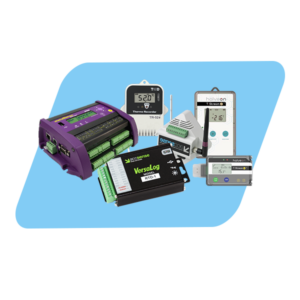 Benefits of Using Data Loggers
- 24/7 Monitoring: One of the standout features of data loggers is their ability to monitor conditions around the clock. Unlike manual checks, which can be sporadic and unreliable, data loggers provide continuous surveillance, ensuring you are always informed about your environment.
- Preventing Losses: Data loggers can help avoid costly damages, for businesses in sectors such as food storage, pharmaceuticals, or data centers, even minor temperature deviations can result in significant losses. You can take corrective actions before problems escalate by catching these changes early.
- Compliance and Reporting: For many industries, maintaining specific environmental conditions is not just best practice—it’s a regulatory requirement. Data loggers can automate the process of generating compliance documentation, making reporting easier and reducing the risk of fines or legal issues.
- Data Analysis: The data collected by loggers provides valuable insights into patterns and trends. This analysis can guide operational improvements, helping you make informed decisions about resource management and efficiency, leading to reduced costs and improved quality.
- Peace of Mind: Perhaps the most significant benefit of using data loggers is the peace of mind they provide. Knowing that you have reliable system monitoring conditions allows you to focus on what matters—running your business or home without the worry of missing a critical problem.
Choosing the Correct Data Logger
When selecting a data logger, consider the following factors:
- Measurement Type: Select a data logger designed to monitor the specific conditions you need (temperature, humidity, etc.). Universal input models can be configured to simultaneously monitor many different parameters such as temperature, flow, pressure, and level.
- Data Storage Capacity: Choose a device that can store enough data for your needs based on your sampling frequency, data download schedule, and any data retention requirements.
- Connectivity: Look for loggers with LAN, Wi-Fi, Bluetooth, cellular, or other wireless capabilities for easier data transfer.
- Alerts and Notifications: Opt for devices that offer real-time alerts via email, SMS, or push notifications to keep you immediately informed of any out-of-range conditions.
Conclusion
In this modern era, things can change quickly, whether it’s the weather or how smoothly your equipment is running. That’s why having a reliable data logger is so important. These handy devices not only protect your valuable assets but also give you the inside scoop on how to make things run even better. Imagine continuous monitoring, automated reports to make sure you’re meeting all the necessary standards, and the peace of mind that comes with instant alerts if something goes wrong. Investing in a data logger is a smart move for any business or even your own home.