



White Papers
Read up on some of the more exclusive applications, data acquisition topics and other extensive material in deeper detail.
In-depth Report on Data Logger and Data Acquisition Solutions
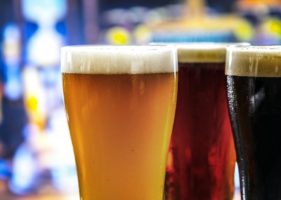
Energy Efficiency For Food & Beverage Distributors
Unlocking Energy Savings for Daytona Florida Beer Distributor Abstract In 1873 there were approximately 4,131 beer breweries in operation in the United States, and that number declined to almost zero during the prohibition area of 1919-1933. In 1980 only 44 breweries supplied beer to all of America and that steadily grew to 5,301 breweries in … Continued
What is The Internet of Things?
The Internet of Things (IoT) is a popular phrase for the emerging class of Internet-capable physical objects such as appliances and control systems. It seems as if almost every vendor of electronic devices has some active development of IoT devices and new Internet of Things products are being introduced to the market daily. This new … Continued
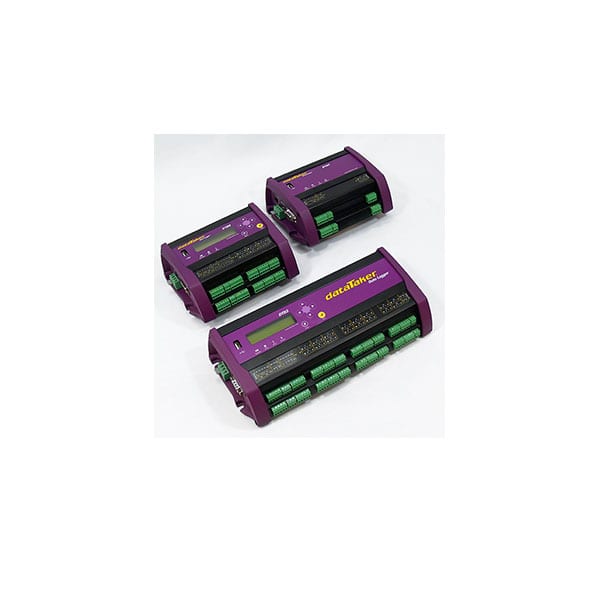
Guide to Saving Time with Intelligent Data Logging
How to Simplify Data Analysis and Find Answers Quicker When trying to define intelligent data logging, it’s useful to compare it with traditional data logging. In the past, data loggers or recorders would typically be configured to sample a set number of channels at a fixed rate and store the recorded values in memory. The … Continued
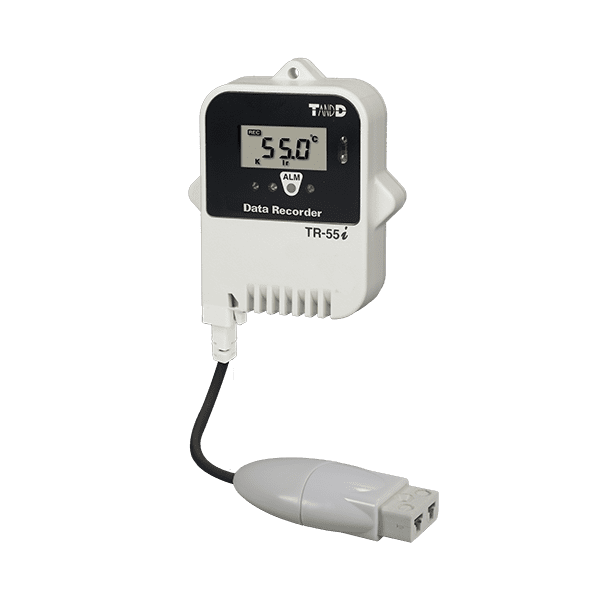
Guide to Choosing the Right Temperature Sensors
Temperature measurements are among the most common data logging applications found across a broad variety of industries including medical monitoring, cold chain integrity, machine monitoring, and many more. There are 4 main types of temperature sensors that are used with data loggers, and it can seem like a lengthy decision to find the right type. … Continued
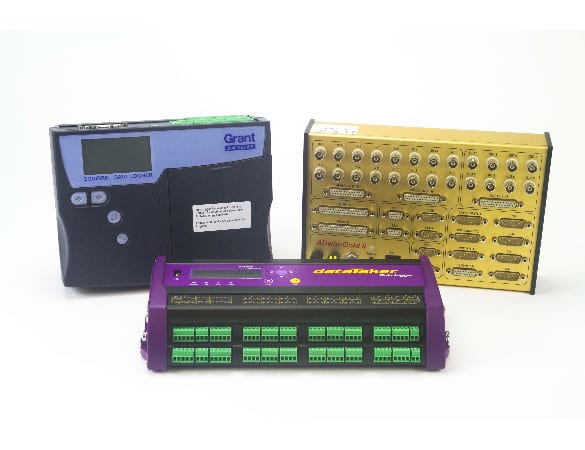
How Accurate Do Your Measurements Need to Be?
At CAS DataLoggers, our callers and customers often ask us for the specifications on our most accurate measurement instruments. The higher the accuracy, the better the system…right? But how accurate do your measurements actually need to be? In our latest White Paper, we detail the most important factors that go into selecting an ideal measurement … Continued

How to Select the Right Water Level Data Logger
Choose the Ideal Device for Your Water Application Water level measurements are quickly becoming one of the more common data logging applications. Driving this need are several industries and market segments including environmental regulation, municipal water departments, agriculture, and more. We at CAS DataLoggers will show you how to Select the Right Water Level Data … Continued
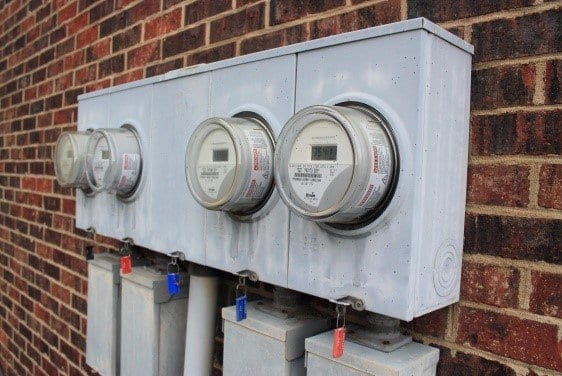
Is Uncorrected Power Factor Costing You Money?
Are You Being Overcharged by Your Energy Provider? Find Out! Everyone’s trying to lower their energy bill these days. If you’re a business owner, facilities manager or plant supervisor, your facility may be losing money owing to a little-understood line item on your energy bill—an uncorrected Power Factor. Why are you being charged this fee, … Continued

How to Establish a Cleanroom Monitoring Plan
Identify and Help Prevent Risks in Hospital & Pharma Cleanrooms Many hospital and pharmaceutical technicians know that they need to establish an environmental monitoring plan/regime for their cleanroom, but CDC regulations are many and varied. How do you tie together the many different requirements to monitor, alarm and document the data? If you work in … Continued
Run Time Monitoring Using an Event Data Logger
The Basics of Monitoring Productivity, Equipment Monitoring, and More Just as with monitoring of other values such as equipment temperature, power factor and vibration, there are varying levels of detail when it comes to run time/event monitoring. At CAS DataLoggers, many of our callers want to see how often one or more of their machines … Continued
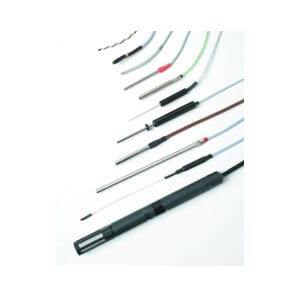
Four Common Sources of Inaccuracy in Sensor Measurements
How to Improve Your Data Acquisition System’s Measurement Accuracy Connecting a sensor such as a thermocouple to a data acquisition system to obtain accurate measurements involves some forethought. For example, electromagnetic signal interference (aka ‘signal noise’) and many other factors can combine to negatively affect measurement accuracy, or possibly even damage the equipment! Understanding these … Continued